What do the Chinese use for psoriasis?
Traditional Chinese medicine approaches to psoriasis may include herbal formulas, dietary adjustments and acupuncture. Scientific evidence for these is limited and mixed, and some herbal products carry risks, so speak with a doctor before trying any of them.
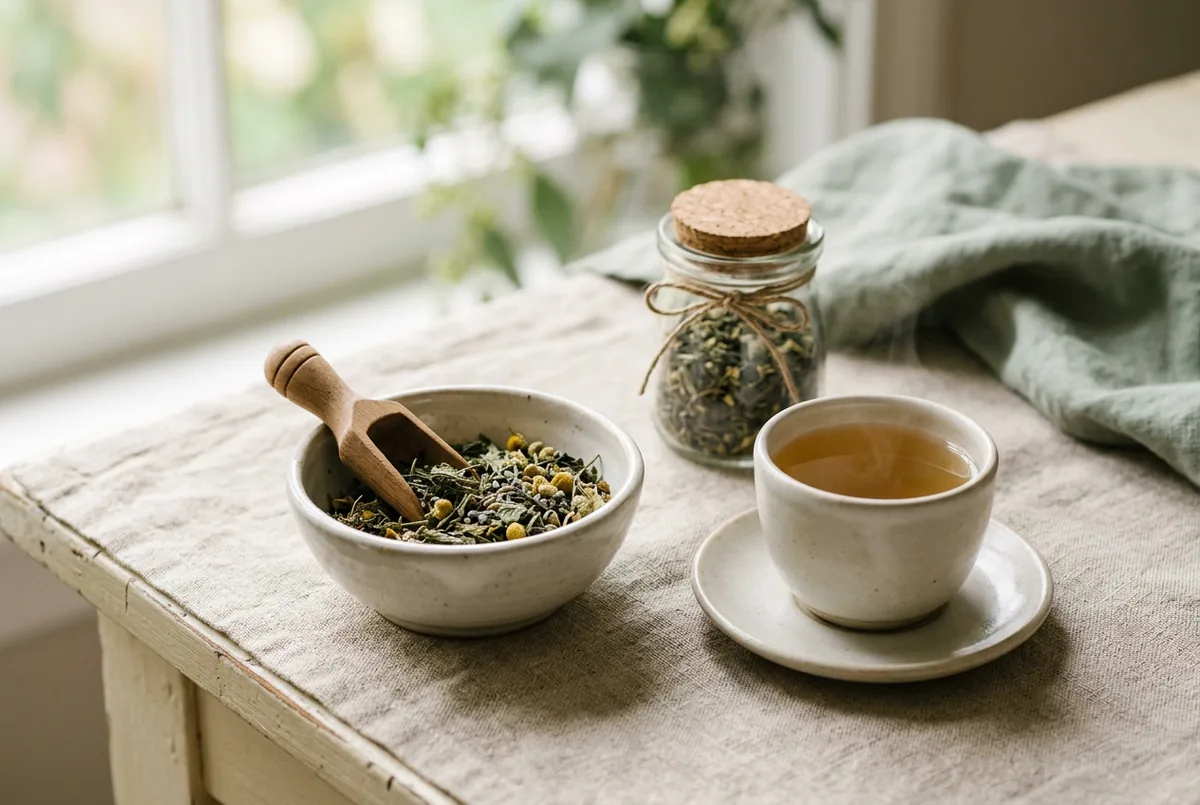
Traditional Approaches and What the Evidence Says
This question is really about complementary and traditional practices rather than keto specifically, so it deserves a careful, neutral answer.
Commonly described practices
Traditional Chinese medicine (TCM) has historically used herbal preparations (topical and oral), dietary guidance emphasizing certain foods over others, and acupuncture for skin conditions including psoriasis. Some people report subjective improvement.
What the evidence shows
Research on TCM for psoriasis exists but is generally limited, of variable quality, and hard to generalize. Some herbal ingredients have shown interest in studies, but results are not conclusive, and standardization and safety vary considerably.
Important safety considerations
Herbal products are not automatically safe. They can interact with medications, vary in potency and purity, and occasionally cause harm, including liver-related effects with some preparations. Any such approach should be discussed with a qualified healthcare professional, ideally alongside your dermatologist. If your interest is dietary, a sensible whole-food approach is a safer starting point, and you can estimate a balanced intake if you also want to manage weight.
For related dietary questions, you can read the keto FAQ.