How do Japanese treat psoriasis?
In Japan, psoriasis is treated with modern, evidence-based medicine, including topical treatments, phototherapy, and systemic or biologic drugs for more severe cases, much like other developed countries. Diet and lifestyle may play a supporting role, but treatment is medical and individualized.
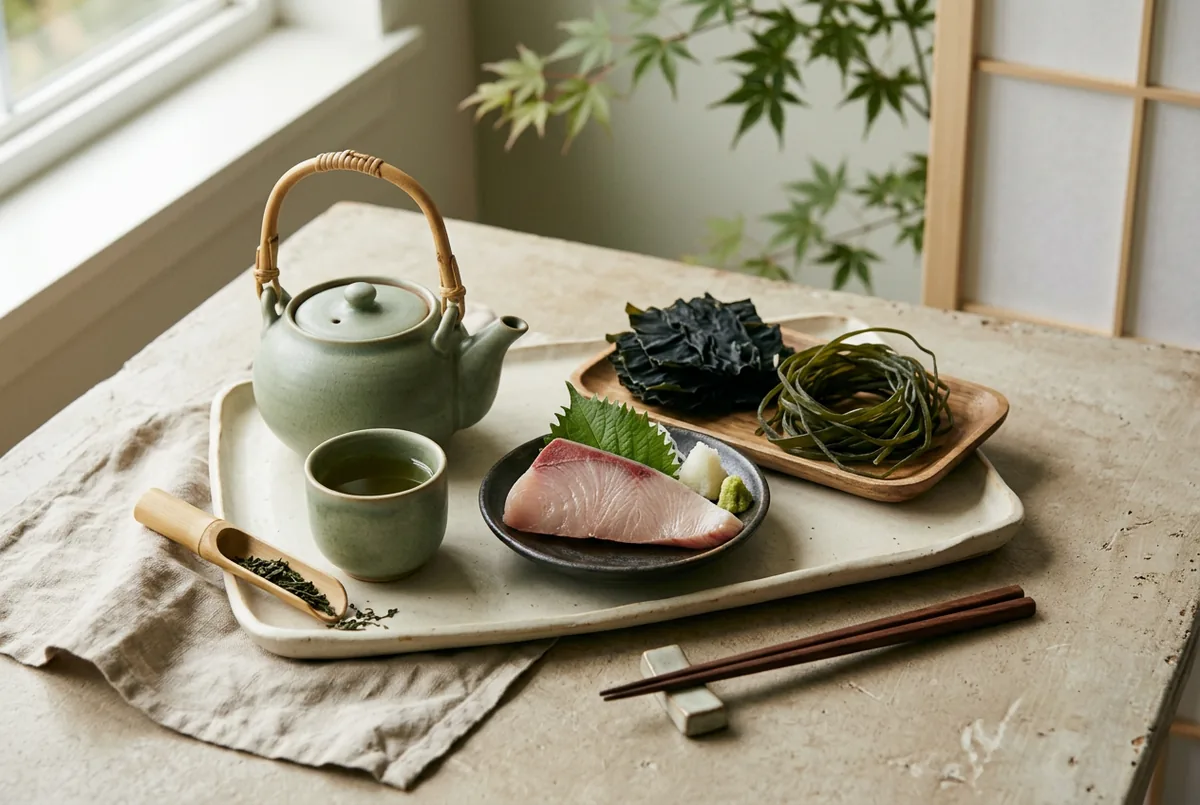
Psoriasis Care in Japan and the Role of Diet
This question sometimes assumes a distinctive "Japanese method," but in practice psoriasis care in Japan follows contemporary dermatology, similar to other high-income countries.
Standard medical treatments
Care typically includes topical therapies (such as corticosteroids and vitamin D analogues), phototherapy, and, for moderate-to-severe cases, systemic medications and biologic drugs. Dermatologists tailor treatment to disease severity and the individual, as elsewhere.
Diet and lifestyle context
The traditional Japanese diet is often rich in fish, vegetables, soy and fewer ultra-processed foods, a pattern generally associated with good metabolic health. While a whole-food diet and a healthy weight may support overall wellbeing, this is a complement to medical treatment, not a cure or a substitute. If you want to reduce processed foods or manage weight, you can estimate a balanced intake as a starting point.
Takeaway
There is no secret national remedy; the core is modern medicine, sometimes alongside healthy diet and lifestyle. For related questions, you can browse the keto FAQ.