What is the number one worst food for weight gain?
There is no single culprit, but highly processed, calorie-dense foods and sugary drinks are the most strongly linked with weight gain. They pack many calories into small portions and do little to satisfy hunger, which makes overeating almost automatic.
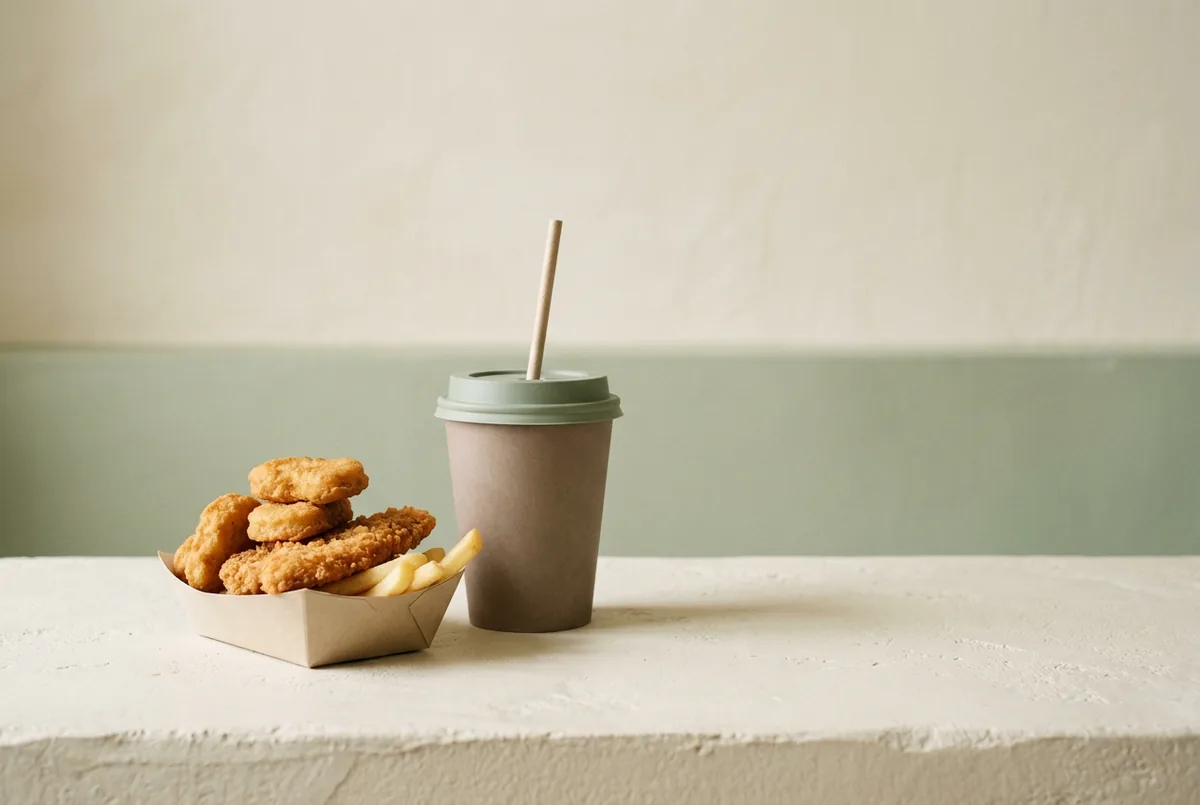
Why Some Foods Drive Weight Gain
Weight gain comes from a sustained surplus of calories, so no food causes it in isolation. What makes certain foods problematic is that they make a surplus easy to reach without feeling full.
The common offenders
Sugary drinks add calories you barely register. Ultra-processed snacks and fast food combine refined carbs, fats and salt in ways engineered to be easy to overeat. Sweets and pastries are calorie-dense and rarely filling. The shared theme is high calories, low satiety, and easy availability.
Satiety per calorie
Protein and fibrous whole foods provide more fullness per calorie, which is why keto and higher-protein patterns can help with appetite. Understanding how many calories you actually need makes it easier to see where these foods fit, and you can estimate your daily calorie needs as a reference point.
It is the pattern, not one meal
An occasional treat does not cause weight gain; a regular pattern of calorie-dense, low-satiety foods does. Focusing on your typical week is far more useful than fixating on any single "worst" food.
What to do instead
Build meals around protein and vegetables, keep sugary drinks out, and treat processed snacks as occasional. This lowers calories naturally while keeping you satisfied. For more weight and food questions, you can browse the keto FAQ.